


Understanding Dentinal Sensitivity
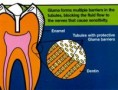
Our teeth have two layers of protection over them- the outer layer is enamel and the inner layer is dentine. The outer layer is hard and the inner one is comparatively soft.
If the enamel/cementum is damaged or is worn off the inner dentine is exposed to the surroundings. Dentine hides the soft tooth pulp and consists of tubules that carry nerves. When dentine becomes exposed, the nerves also get exposed to the surroundings.
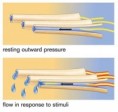
When a person whose dentine has been exposed eats food that is hot or cold or drinks a hot or cold liquid or otherwise experiences pressure on teeth, the nerves are directly exposed to such sensations and they carry the signal to the brain which then experiences sensitivity. This gives rise to dentine sensitivity or sensitive teeth.
The reason dentine is exposed in some people is because they brush their teeth so hard that it wears out the outer layer of enamel. The recommended practice to avoid this is to use a soft brush and to brush the teeth gently but firmly.
Not brushing your teeth after a meal and going to bed straightaway can facilitate lead to bacterial decomposition of food particles sticking on the surface of and between teeth. This results in production of acids that break down the enamel layer gradually. Once that happens there is no natural way for enamel to regenerate itself.
Other reasons for dentine exposure include:
* Non-treatment of untreated cavities
* Worn out tooth filling
* Use of sugar based chewing gum.
Dentine exposure below the gumline is usually caused by periodontal disease or because of disease that makes the gumline to recede. Frequently eating acidic foods or vomiting stomach contents can also destroy the enamel protection and cause dentinal sensitivity.
After dentine becomes exposed a person will directly experience pulpal sensitivity in a tooth because of direct exposure to heat, cold, or pressure. The causes of pulpal sensitivity include tooth decay, injury as from a cracked tooth, grinding of teeth or clenching teeth. It can also be caused by a recent improper tooth filling.
When you face the issue of dentinal sensitivity, a visit to your dentist is a must. He will diagnose the problem in depth and examine your oral cavity and identify the exact locations where the enamel has been breached. He usually uses a metal instrument with a sharp point to exactly locate the point of dentine exposure.
He will then use a filling to cover the breach. However, as it takes time for the filling to harden sufficiently, you may have to suffer dentinal sensitivity for some days even after tooth filling. Your dentist will recommend you to an endodontist if you need a root canal done to treat your problem of pulpal sensitivity.